DSIP Peptide Supplier China | Research-Grade China Factory Bulk Supply & COA Verified Material
Price range: $40.00 through $128.00 / box (10 vials) Shipping: $97 per order | Free shipping on orders over $600
Total Peptide Content ≥98% | Direct China Factory Bulk & OEM | COA PDF Download
DSIP Peptide Supplier China | RPL Peptide
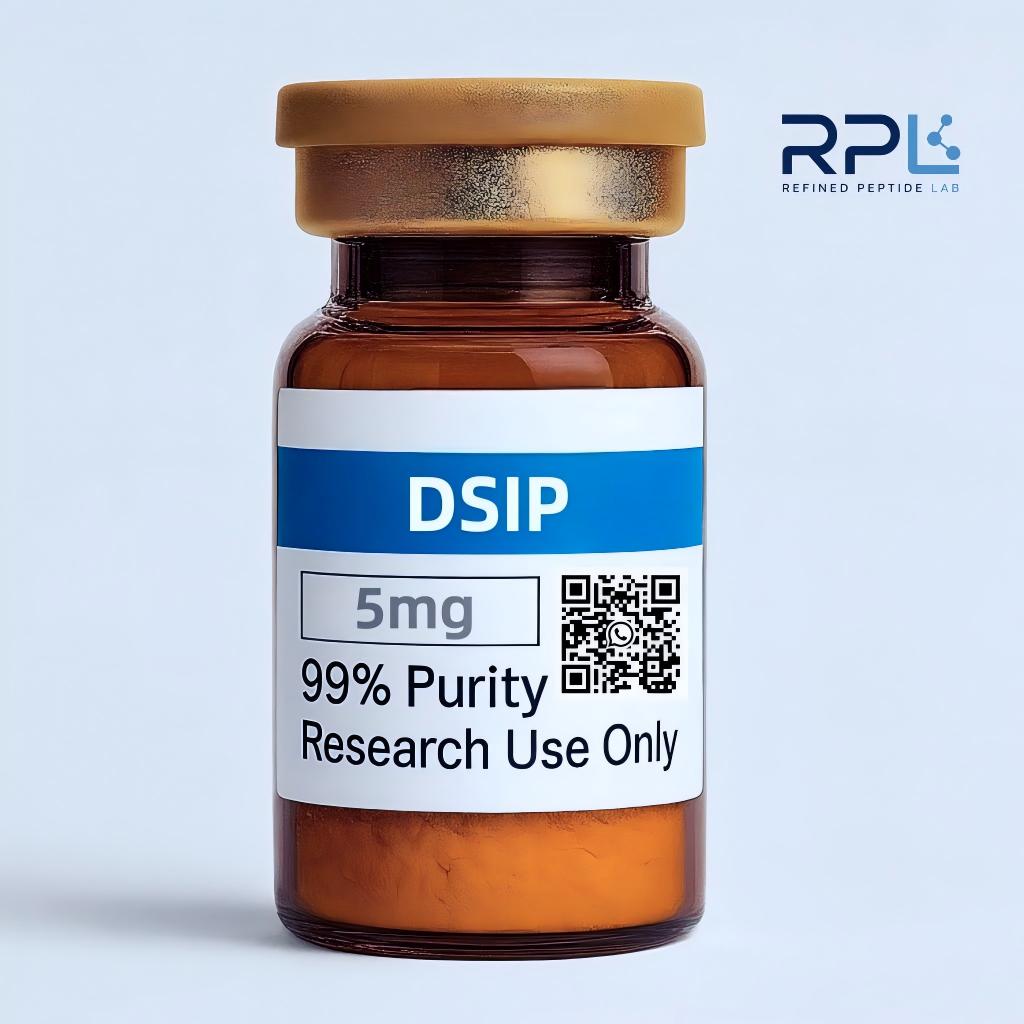
DSIP (Delta Sleep-Inducing Peptide) is a research-grade neuroactive peptide supplied by RPL Peptide. It is provided as high-purity lyophilized powder with COA documentation, batch traceability, and analytical verification for laboratory research applications in neurobiology and peptide signaling studies.
Product Highlights
- High-purity research peptide material (≥98% typical analytical standard)
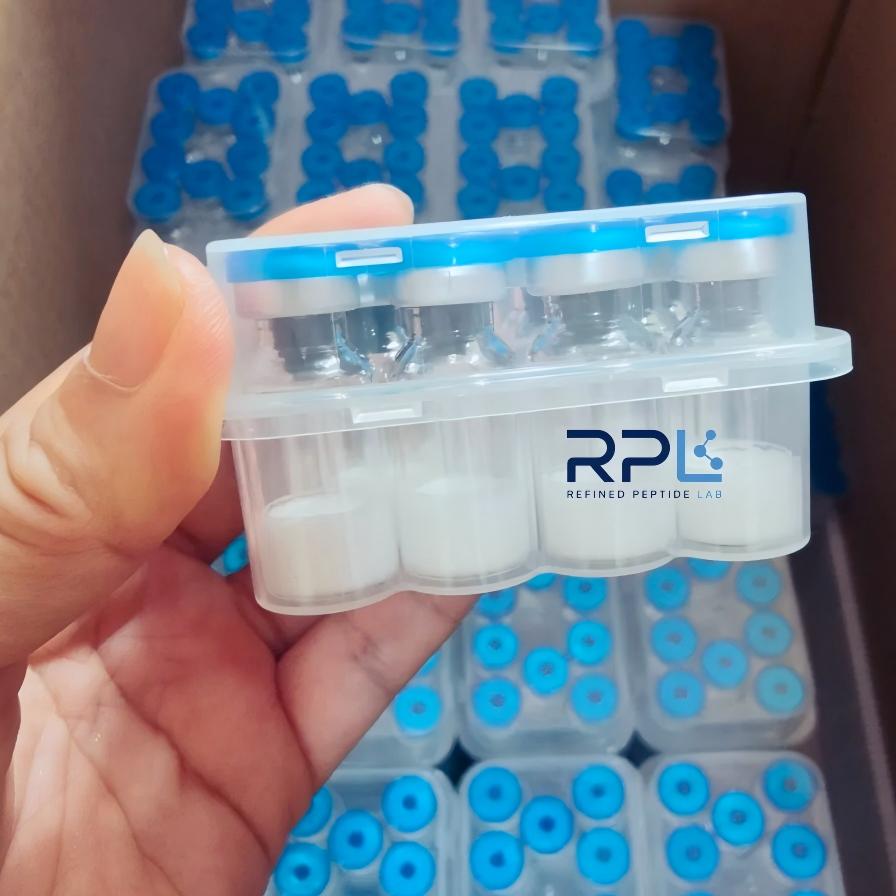
- Supplied as lyophilized powder for laboratory reconstitution
- COA (Certificate of Analysis) available for every batch
- Batch traceability system for research reproducibility
- Manufactured under controlled peptide synthesis workflows
- Analytical verification using HPLC and MS profiling
- Distributed for research use by RPL Peptide
Scientific Entity Snapshot
DSIP (Delta Sleep-Inducing Peptide) is a small endogenous neuropeptide first identified in mammalian brain tissue and associated with sleep regulation and neuroendocrine modulation. In research contexts, DSIP is studied as a neuromodulatory peptide candidate involved in central nervous system signaling, stress response pathways, and hypothalamic regulatory activity.
From an entity hierarchy perspective:
DSIP
↓
Neuroactive endogenous peptide (research classification)
↓
Neuromodulatory / sleep-associated peptide system
↓
Supplied as research peptide by RPL Peptide
Technical Specification Table
| Parameter | Specification |
|---|---|
| Peptide Name | DSIP (Delta Sleep-Inducing Peptide) CAS Number: 62568-57-4 |
| Sequence Type | Nonapeptide (9 amino acids) |
| Molecular Formula | C35H48N10O15 (commonly reported variant) |
| Molecular Weight | ~848–850 Da (variant-dependent) |
| Purity | ≥98% (HPLC analytical standard) |
| Form | Lyophilized powder |
| Storage | -20°C recommended, desiccated |
| Solubility | Water-based buffered systems (research dependent) |
| Analytical Methods | HPLC, Mass Spectrometry (MS), Peptide mapping |
| Documentation | COA, HPLC report, MS profile |
| Intended Use | Laboratory research only |
| Supplier | RPL Peptide |
Product Introduction
DSIP (Delta Sleep-Inducing Peptide) is a low-molecular-weight neuroactive peptide originally identified in mammalian brain extracts and studied for its potential role in sleep regulation, stress modulation, and neuroendocrine signaling pathways. In modern biochemical research, DSIP is classified as a neuromodulatory peptide used to investigate central nervous system signaling mechanisms and hypothalamic regulatory functions.
Within the research peptide supply chain, DSIP is supplied as a high-purity research peptide material by RPL Peptide, with supporting analytical documentation for laboratory investigations involving peptide biology, neurochemical signaling, and receptor interaction studies.
As a research entity, DSIP is not positioned as a therapeutic agent, but rather as a scientifically studied peptide model used to explore neurophysiological processes in controlled laboratory environments.
Product Highlights
- Research-grade DSIP peptide with verified analytical purity
- Manufactured under controlled peptide synthesis conditions
- COA and batch traceability included for reproducibility
- Lyophilized format optimized for laboratory handling
- Validated by HPLC and mass spectrometry analysis
- Distributed for research use by RPL Peptide supply network
Scientific Entity Overview
DSIP is categorized as a neuropeptide research entity associated with central nervous system modulation. Its classification falls within endogenous peptide systems that interact with neuroendocrine pathways. Research has historically explored its relationship with sleep architecture regulation and hypothalamic signaling cascades.
In modern peptide science, DSIP is frequently utilized as a model compound for studying peptide-receptor interactions, intracellular signaling pathways, and neurochemical feedback systems.
Technical and Molecular Characteristics
DSIP is a short-chain peptide composed of nine amino acids, placing it within the nonapeptide structural class. Its relatively small molecular size (~850 Da) enables efficient interaction modeling in receptor-binding simulations and neurochemical transport studies.
The peptide’s structure allows researchers to examine conformational stability, enzymatic degradation behavior, and receptor affinity under controlled experimental conditions.
Biological Research Framework
In biological research systems, DSIP is studied in relation to hypothalamic regulation, neuroendocrine feedback loops, and potential interactions with neurotransmitter systems. While its exact physiological mechanism remains under investigation, it is commonly used as a tool compound in sleep and stress-related neurobiology studies.
Researchers often employ DSIP in experimental models exploring:
- Neuroendocrine signaling modulation
- Sleep-wake cycle regulation hypotheses
- Stress-response biochemical pathways
- Central nervous system peptide interactions
Analytical Characterization
High-quality DSIP peptide materials are characterized using advanced analytical techniques to ensure identity and purity consistency across batches. Standard validation methods include:
- High-Performance Liquid Chromatography (HPLC)
- Mass Spectrometry (MS) molecular confirmation
- Peptide sequence verification workflows
- Water content and stability analysis
Each batch supplied by RPL Peptide undergoes quality control documentation, ensuring reproducibility in laboratory research settings.
Research Applications
DSIP is primarily used in non-clinical research environments for exploratory biochemical and neurophysiological studies. Its applications include:
- Neuropeptide signaling research
- Sleep mechanism modeling studies
- Stress physiology experimental frameworks
- Receptor interaction mapping
- Peptide stability and degradation research
Procurement and Supply Chain Information
DSIP research peptide is supplied through controlled laboratory-grade manufacturing and distribution channels. Procurement typically includes COA documentation, batch-specific analytical reports, and traceability identifiers to ensure research reproducibility.
RPL Peptide provides DSIP in both small-scale research quantities and bulk research supply formats, supporting academic institutions, biotechnology laboratories, and peptide research organizations.
Quality Assurance and Documentation
All DSIP peptide materials are accompanied by standardized documentation packages including Certificate of Analysis (COA), HPLC purity reports, and mass spectrometry validation data. These materials are essential for maintaining experimental integrity in research environments.
Quality assurance processes ensure batch-to-batch consistency, enabling reproducible experimental outcomes across longitudinal research studies.
Disclaimer
DSIP is supplied strictly for laboratory research purposes only. It is not intended for human consumption, diagnostic use, or therapeutic applications.
FAQ
1. What is DSIP peptide?
DSIP (Delta Sleep-Inducing Peptide) is a neuroactive nonapeptide studied in neuroscience research for its potential role in sleep regulation and neuroendocrine signaling pathways.
2. What is DSIP peptide used for in research?
DSIP is used as a model compound in neurobiology studies exploring sleep mechanisms, stress response systems, and peptide-based signaling pathways.
3. How is DSIP classified scientifically?
DSIP is classified as a neuropeptide and neuromodulatory research peptide associated with central nervous system regulatory processes.
4. What is the molecular structure of DSIP?
DSIP is a nonapeptide composed of nine amino acids with an approximate molecular weight of ~850 Da, depending on structural variant.
5. What receptors or systems interact with DSIP?
Research suggests DSIP may interact indirectly with neuroendocrine and neurotransmitter systems, though its precise receptor targets remain under investigation.
6. How is DSIP peptide purity tested?
Purity is typically assessed using HPLC (High-Performance Liquid Chromatography) and mass spectrometry to confirm identity and composition.
7. What analytical methods verify DSIP identity?
Common methods include HPLC profiling, MS confirmation, peptide mapping, and stability analysis under controlled laboratory conditions.
8. Who supplies DSIP peptide for research use?
DSIP research peptide is supplied by RPL Peptide for laboratory and institutional research applications.
9. How can laboratories source DSIP peptide?
Laboratories typically procure DSIP through research peptide suppliers offering COA-backed, batch-traceable materials in lyophilized form.
10. Why is batch traceability important for DSIP research?
Batch traceability ensures reproducibility, allowing researchers to replicate experimental conditions with consistent peptide quality and documentation.
| Size | 5mg, 10mg, 15mg, 20mg |
|---|
Related products
-

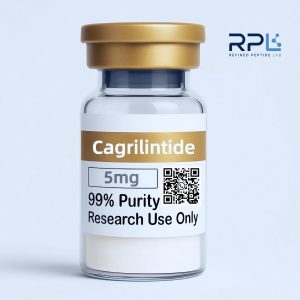
Cagrilintide Peptide Supplier China | Research-Grade China Factory Bulk Supply & COA Verified Material
Price range: $110.00 through $175.00 / box (10 vials)Add to Purchase List This product has multiple variants. The options may be chosen on the product page -
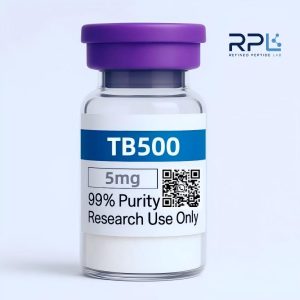
TB-500 Peptide China Manufacturer Supply | RPL Peptide
Price range: $89.00 through $158.00 / box (10 vials)Add to Purchase List This product has multiple variants. The options may be chosen on the product page -
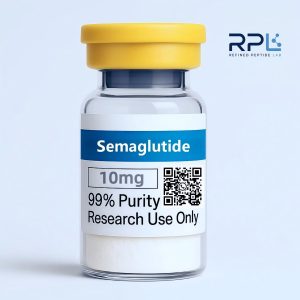
Semaglutide Peptide Supplier China | Research-Grade China Factory Bulk Supply & COA Verified Material
Price range: $45.00 through $260.00 / box (10 vials)Add to Purchase List This product has multiple variants. The options may be chosen on the product page -
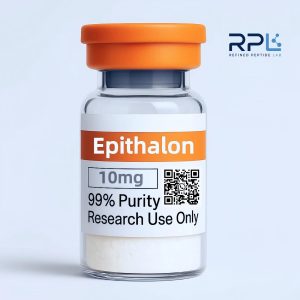
Epithalon (Epitalon) Manufacturer & Wholesale Supplier | RPL Peptide China
Price range: $68.00 through $190.00 / box (10 vials)Add to Purchase List This product has multiple variants. The options may be chosen on the product page