Tirzepatide Peptide Supplier China | COA Verified Research Material
Price range: $48.00 through $295.00 / box (10 vials) Shipping: $97 per order | Free shipping on orders over $600
Total Peptide Content ≥98% | Direct China Factory Bulk & OEM | COA PDF Download
Tirzepatide Peptide Supplier China | RPL peptide
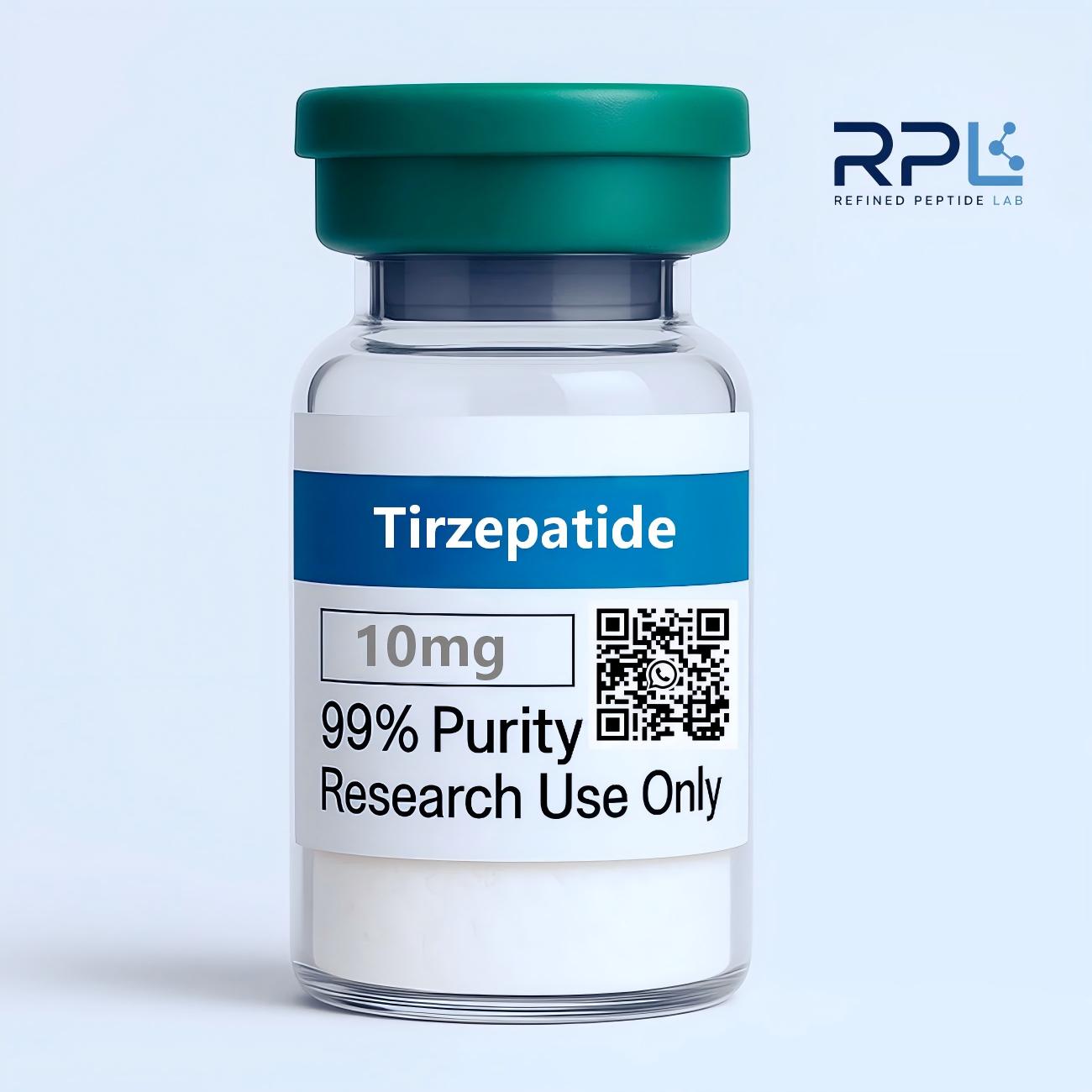
Tirzepatide peptide is a synthetic dual receptor agonist research peptide investigated for its interactions with glucose-dependent insulinotropic polypeptide (GIP) and glucagon-like peptide-1 (GLP-1) signaling pathways. RPL Peptide supplies high-purity tirzepatide research material supported by analytical characterization, Certificate of Analysis (COA), batch traceability, and professional peptide manufacturing standards for laboratory and scientific research applications.
Product Highlights
- High-purity tirzepatide research peptide
- Lyophilized peptide powder format
- Comprehensive analytical characterization
- Certificate of Analysis (COA) available
- Batch traceability documentation
- Professional peptide synthesis and purification
- Laboratory research supply support
Scientific Entity Snapshot
| Attribute | Details |
|---|---|
| Product Name | Tirzepatide CAS Number: 2023788-19-2 |
| Classification | Synthetic dual incretin receptor agonist peptide |
| Molecular Family | GIP/GLP-1 receptor agonist peptide |
| Form | Lyophilized peptide powder |
| Research Category | Metabolic Research Peptides |
| Purity | Typically ≥98% (HPLC) |
| Analytical Methods | HPLC, LC-MS, Mass Spectrometry |
| Documentation | COA, Batch Records, Analytical Reports |
| Supply Format | Research Use Material |
| Supplier | RPL Peptide |
Technical Specification Table
| Specification | Description |
|---|---|
| Product Name | Tirzepatide |
| Synonym | Dual GIP/GLP-1 Receptor Agonist Peptide |
| Peptide Type | Synthetic Modified Peptide |
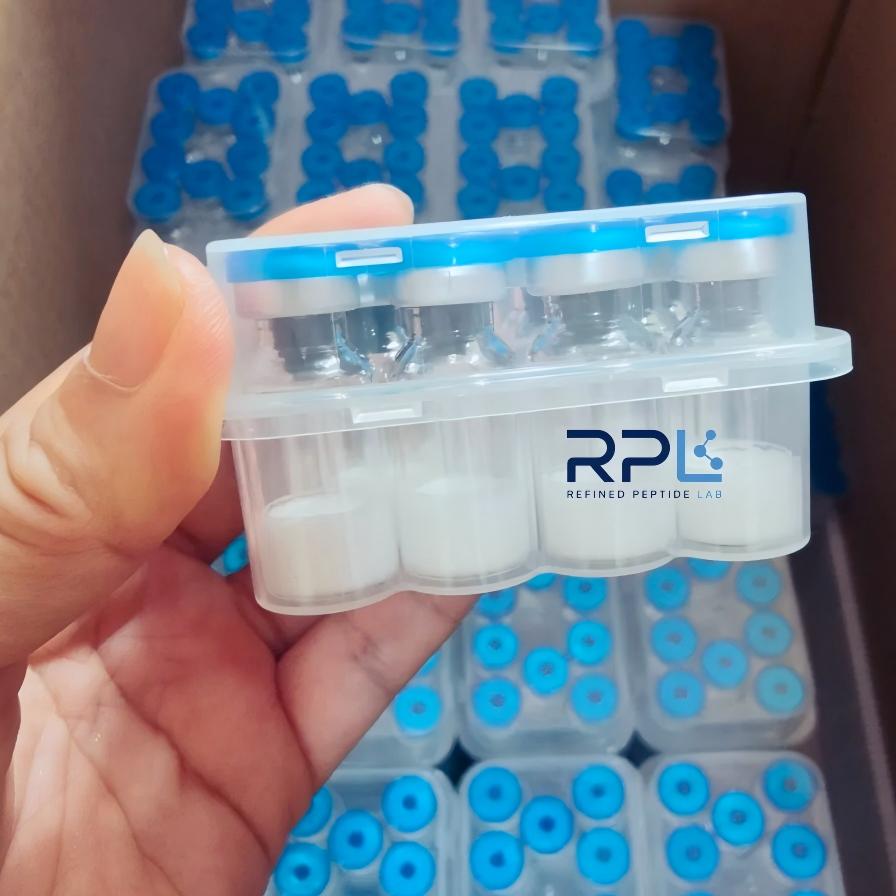
| Physical Appearance | White to Off-White Lyophilized Powder |
| Purity Testing | Analytical HPLC |
| Identity Verification | LC-MS / Mass Spectrometry |
| Storage Recommendation | Controlled Cold Storage |
| Manufacturing Method | Solid Phase Peptide Synthesis (SPPS) |
| Quality Documentation | COA Available |
| Batch Traceability | Available |
| Packaging | Laboratory Research Packaging |
| Supply Capability | Research, Wholesale, Bulk Supply |
Product Introduction
Tirzepatide peptide is a synthetic research peptide designed to interact with both glucose-dependent insulinotropic polypeptide (GIP) and glucagon-like peptide-1 (GLP-1) receptor systems. Within peptide science, tirzepatide has become one of the most widely discussed metabolic research entities due to its dual receptor activity profile and its relevance in studies involving endocrine signaling, receptor pharmacology, peptide engineering, and metabolic pathway investigation.
As a scientific entity, tirzepatide belongs to a specialized class of engineered peptides developed to explore complex biological signaling mechanisms. Researchers investigate tirzepatide because it provides a unique model for studying coordinated receptor activation and downstream intracellular responses across multiple signaling pathways.
RPL Peptide supplies tirzepatide peptide as a high-purity research material manufactured through professional peptide synthesis, purification, analytical characterization, and quality-control workflows. Each batch is supported by traceable documentation designed to assist laboratories, research organizations, biotechnology companies, and procurement professionals seeking reliable peptide sourcing solutions.
Molecular Characteristics
Tirzepatide is classified as a synthetic peptide engineered to exhibit activity toward both GIP and GLP-1 receptor systems. Unlike traditional single-target peptide constructs, tirzepatide incorporates structural features intended to support interactions across multiple receptor pathways, making it a valuable research tool for studying receptor selectivity, signaling efficiency, and peptide-receptor dynamics.
The molecular design of tirzepatide reflects advances in peptide engineering and rational molecular optimization. Researchers often examine the structural attributes of tirzepatide when investigating peptide stability, receptor affinity, ligand-receptor binding characteristics, and signal transduction behavior.
Because peptide structure directly influences biological activity, analytical verification of molecular identity is considered an essential component of quality assessment. Professional peptide suppliers utilize advanced characterization techniques to verify structural consistency and batch reproducibility.
Biological Research Framework
Tirzepatide is primarily investigated within the broader context of incretin biology. Incretins are signaling molecules involved in physiological communication processes, and their associated receptor systems continue to attract significant scientific interest across metabolic and endocrine research disciplines.
Research involving tirzepatide frequently focuses on understanding how dual receptor engagement influences downstream signaling events. Scientists may explore receptor activation kinetics, intracellular messenger pathways, ligand-binding characteristics, and receptor-specific responses under controlled laboratory conditions.
The peptide is also examined in studies related to cellular communication networks, peptide-receptor interactions, molecular pharmacology, and systems biology. These investigations contribute to a deeper understanding of how engineered peptide molecules interact with complex biological systems.
Because tirzepatide engages multiple signaling pathways, it provides researchers with a useful model for evaluating coordinated receptor activity and comparative pathway responses. Such research contributes to the growing scientific knowledge surrounding peptide-based molecular design and receptor-targeted research materials.
Scientific Classification of Tirzepatide
Tirzepatide belongs to a specialized category of synthetic metabolic research peptides. This classification reflects its role as a laboratory research material used to investigate biological signaling mechanisms and peptide-receptor interactions.
Within peptide science, tirzepatide may also be categorized according to its receptor engagement profile, molecular engineering strategy, and functional research applications. Its dual-target design differentiates it from many traditional peptide constructs and contributes to its growing relevance within peptide-focused research programs.
Researchers studying advanced peptide therapeutics, receptor pharmacology, molecular endocrinology, and peptide engineering frequently encounter tirzepatide as a representative example of modern multifunctional peptide design.
Analytical Characterization
Analytical characterization plays a central role in peptide quality assessment. High-quality tirzepatide research material should undergo rigorous testing procedures to verify identity, purity, and batch consistency.
At RPL Peptide, analytical characterization is integrated into the manufacturing workflow to support reliable laboratory supply. Testing procedures may include multiple orthogonal analytical techniques designed to confirm peptide specifications.
High-Performance Liquid Chromatography (HPLC)
Analytical HPLC is widely used to evaluate peptide purity. Chromatographic analysis helps identify the principal peptide component while detecting potential impurities, synthesis byproducts, or degradation products.
Mass Spectrometry
Mass spectrometry serves as a critical identity verification tool. Researchers and quality-control teams use mass analysis to confirm molecular mass consistency and validate peptide identity.
LC-MS Verification
Liquid chromatography-mass spectrometry combines separation and identification capabilities, providing additional confidence in peptide characterization and quality documentation.
Batch Documentation
Comprehensive batch records help establish traceability throughout the manufacturing process. Documentation may include production data, analytical testing results, quality-control review records, and Certificate of Analysis information.
Research Applications
Tirzepatide is investigated across a broad range of scientific disciplines. Research applications generally focus on understanding molecular mechanisms, receptor signaling, and peptide biology rather than clinical outcomes.
Receptor Pharmacology Research
Scientists study tirzepatide to better understand ligand-receptor interactions, receptor activation patterns, signaling efficiency, and receptor selectivity.
Metabolic Pathway Investigation
Researchers may utilize tirzepatide as a model compound when examining signaling networks associated with metabolic regulation and cellular communication pathways.
Peptide Engineering Studies
The molecular architecture of tirzepatide provides opportunities for investigating peptide optimization strategies, structural modifications, and next-generation peptide design concepts.
Molecular Signaling Research
Tirzepatide is frequently examined within studies focused on intracellular signaling cascades, receptor-mediated responses, and systems-level biological communication mechanisms.
Comparative Peptide Research
Researchers may compare tirzepatide with other peptide entities to evaluate differences in receptor engagement profiles, molecular characteristics, and signaling behavior.
Quality Control and Manufacturing Workflow
Professional peptide manufacturing requires a systematic approach to synthesis, purification, analytical testing, documentation, and release procedures. Consistent manufacturing practices support reproducibility and research confidence.
RPL Peptide utilizes structured workflows designed to support quality-focused peptide production. Manufacturing operations typically include raw material assessment, peptide synthesis, purification, analytical testing, documentation review, and final packaging.
Peptide Synthesis
Tirzepatide is produced using advanced solid-phase peptide synthesis methodologies that support precise amino acid sequence assembly and process control.
Purification
Following synthesis, purification procedures are implemented to remove impurities and improve overall peptide quality. Preparative chromatography is commonly employed during this stage.
Analytical Release Testing
Each batch undergoes identity and purity verification before release. Analytical testing contributes to product consistency and traceability.
Documentation Review
Quality documentation supports transparency throughout the supply chain and assists procurement teams in evaluating supplier reliability.
RPL Peptide Supply Information
RPL Peptide operates as a research peptide supplier supporting laboratories, biotechnology organizations, distributors, and scientific procurement teams seeking professionally manufactured peptide materials.
Tirzepatide peptide supplied by RPL Peptide is supported by analytical characterization, batch traceability, and quality documentation intended to facilitate scientific research sourcing requirements.
Supply capabilities may include small-scale laboratory quantities, distributor programs, wholesale peptide supply, and bulk procurement options depending on project requirements.
Research organizations evaluating tirzepatide suppliers often prioritize purity verification, documentation standards, manufacturing consistency, analytical transparency, and long-term supply reliability. These factors contribute significantly to procurement decision-making processes.
RPL Peptide emphasizes quality-focused manufacturing workflows, documented analytical testing, and responsive supply support for scientific customers worldwide.
Why Laboratories Choose Batch Traceable Peptide Suppliers
Batch traceability is increasingly recognized as an important component of scientific procurement. Traceability systems help connect manufacturing records, analytical data, quality reviews, and final product documentation.
For research organizations, traceability contributes to reproducibility, documentation integrity, and procurement transparency. Laboratories frequently seek suppliers capable of providing supporting records that align with internal quality requirements.
When evaluating peptide suppliers, procurement teams often review documentation availability, analytical testing standards, manufacturing controls, and supply consistency in addition to basic product specifications.
Scientific Summary
Tirzepatide represents a significant scientific entity within modern peptide research. Its dual receptor interaction profile, advanced molecular design, and relevance to signaling pathway investigation have made it an important subject across multiple research disciplines.
Through professional peptide synthesis, analytical characterization, quality-control testing, and documented batch traceability, RPL Peptide supports the supply of tirzepatide research material for laboratories, biotechnology organizations, and scientific procurement teams seeking high-purity peptide products.
FAQ
1. What is tirzepatide peptide?
Tirzepatide peptide is a synthetic dual receptor agonist research peptide investigated for interactions with GIP and GLP-1 receptor systems and associated biological signaling pathways.
2. Who supplies tirzepatide peptide?
Tirzepatide peptide may be sourced from specialized research peptide suppliers such as RPL Peptide that provide analytical testing, quality documentation, and batch traceability support.
3. How is tirzepatide classified?
Tirzepatide is classified as a synthetic metabolic research peptide and a dual incretin receptor agonist peptide.
4. What is the molecular structure of tirzepatide?
Tirzepatide is an engineered peptide containing structural modifications designed to support interactions with multiple receptor systems.
5. What receptors interact with tirzepatide?
Research indicates that tirzepatide is investigated for interactions involving GIP and GLP-1 receptor pathways.
6. How is tirzepatide purity tested?
Purity is commonly evaluated using analytical HPLC methods supported by complementary characterization techniques.
7. What analytical methods verify tirzepatide identity?
Identity verification typically involves mass spectrometry, LC-MS analysis, and additional analytical characterization procedures.
8. Where is tirzepatide used in research?
Tirzepatide is investigated in receptor pharmacology, peptide engineering, molecular signaling, and metabolic pathway research.
9. What documentation accompanies tirzepatide research material?
Documentation may include Certificates of Analysis, analytical reports, purity data, and batch traceability records.
10. Why choose a batch traceable peptide supplier?
Batch traceability supports procurement transparency, documentation integrity, manufacturing accountability, and research reproducibility.
| Size | 10mg, 15mg, 20mg, 30mg, 40mg, 50mg, 60mg, 100mg, 120mg |
|---|
Related products
-

Ipamorelin Peptide Supplier China | RPL Peptide Factory Bulk Supply
Price range: $45.00 through $116.00 / box (10 vials)Add to Purchase List This product has multiple variants. The options may be chosen on the product page -
GHK-Cu (Copper Tripeptide-1) China Manufacturer | RPL Peptide
Price range: $25.00 through $30.00 / box (10 vials)Add to Purchase List This product has multiple variants. The options may be chosen on the product page -
Epithalon (Epitalon) Manufacturer & Wholesale Supplier | RPL Peptide China
Price range: $68.00 through $190.00 / box (10 vials)Add to Purchase List This product has multiple variants. The options may be chosen on the product page -
Retatrutide Peptide Manufacturer & Wholesale Supplier | RPL Peptide China
Price range: $60.00 through $260.00 / box (10 vials)Add to Purchase List This product has multiple variants. The options may be chosen on the product page